
Understanding Prayer in Theological Education
In the context of theological education, prayer serves as an essential practice that fosters a deeper communication with God. This intimate dialogue allows students to not only express their thoughts and concerns but also to listen and receive divine guidance. Through prayer, theology students can cultivate their relationship with God, thereby establishing a firm foundation that is crucial for their spiritual development and academic journey.
Prayer also plays a pivotal role in shaping a student’s understanding of faith. It acts as a reflective exercise, encouraging students to contemplate theological principles and their implications for real-life applications. Engaging in regular prayer allows students to integrate their academic studies with their personal beliefs, creating a holistic framework for understanding their faith. As they immerse themselves in key theological concepts, prayer aids in the discernment of how these ideas resonate within their own spiritual experiences.
The historical significance of prayer among influential theologians further highlights its importance in theological education. Figures such as John Wesley and Karl Barth exemplified a commitment to prayer as a core element of their academic and spiritual lives. Wesley, known for his practical theology, emphasized the need for personal piety and disciplined prayer, believing that these practices directly enhanced his understanding of God’s will. Similarly, Barth viewed prayer as integral to theology, asserting that it helped bridge the finite and infinite aspects of human experience. These examples underscore that prayer not only grounds theological inquiry but also enriches the student’s spiritual journey, making it an indispensable component of their educational pursuit.
Developing a Prayer Life: Practical Steps for Students
Establishing a consistent and meaningful prayer life is vital for theology students seeking to deepen their faith and theological understanding. An effective prayer practice can enhance both personal spiritual growth and academic pursuits. For students, integrating various forms of prayer into their daily routines can profoundly impact their spiritual journey. It is essential to recognize the four primary types of prayer: adoration, confession, thanksgiving, and supplication. By engaging in these prayer styles regularly, students can develop a well-rounded prayer life.
To initiate a structured prayer routine, students may begin by designating specific times for prayer throughout their day, ideally aligning with their academic schedule. Morning prayers can set a positive tone for the day, while evening prayers can provide reflection on daily experiences. Students should also consider setting aside time for quiet moments during study breaks to connect with God through short prayers, thus reinforcing the importance of prayer amidst academic responsibilities.
Creating a conducive environment for prayer is also crucial. A dedicated prayer space can facilitate focus and tranquility. Students may choose a quiet corner in their room, adorned with items that inspire contemplation, such as candles or inspirational quotes. Additionally, maintaining a prayer journal can be an invaluable tool. Documenting prayers, reflections, and insights provides a tangible way to track spiritual growth over time and fosters a sense of commitment to regular communication with God.
Lastly, students can use their academic workloads as opportunities to enhance their prayer lives. For instance, approaching challenging coursework or significant assignments with a prayerful mindset can open avenues for both prayer and study. Engaging in prayers for understanding, guidance, and wisdom transforms academic stress into a profound interaction with faith. By integrating these practical steps into their lives, theology students can cultivate a robust and enduring prayer practice that underscores their development as both scholars and believers.
Biblical Foundations of Prayer for Theology Students
Prayer serves as a vital element in the life of any theology student, providing both a foundation and a framework for their spiritual and academic journey. Numerous biblical references underscore the importance of prayer, emphasizing its role as a cornerstone of faith. One notable scripture, 1 Thessalonians 5:16-18, instructs believers to “rejoice always, pray continually, give thanks in all circumstances; for this is God’s will for you in Christ Jesus.” This passage highlights the necessity of a continual prayer practice, encouraging theology students to maintain an open dialogue with God throughout their studies.
Furthermore, Jesus’ teachings on prayer offer profound insights that are imperative for aspiring theologians. In Matthew 6:6, He emphasizes the importance of private prayer: “But when you pray, go into your room, close the door and pray to your Father, who is unseen.” This instruction serves as a reminder for students that prayer is not simply a public declaration of faith, but an intimate communion with God that fosters spiritual growth. Engaging with Scripture through prayer allows students to digest and reflect upon theological concepts in a personal and impactful manner.
Moreover, James 5:16 asserts, “The prayer of a righteous person is powerful and effective.” This underscores the transformative power of prayer, illustrating how it can influence both personal circumstances and broader theological understandings. By integrating these biblical principles into their academic routines, theology students can nurture their spiritual lives while deepening their theological insights. Ultimately, a robust prayer life can enhance their understanding of Scripture, contribute to their spiritual formation, and prepare them for future ministry roles.
The Impact of Prayer on Theological Reflection and Community Engagement
Prayer serves not only as a personal discipline for theology students but also as a vital interpersonal and communal practice that enhances their theological reflections and community engagement. The act of prayer allows students to engage deeply with theological concepts while fostering a sense of connection with others who share similar beliefs and values. Through regular prayer, students gain insights into profound theological ideas such as grace, redemption, and the nature of God’s love, which can profoundly influence their understanding and approach to these concepts.
Moreover, a robust prayer life cultivates a sense of responsibility among students to engage with their local and global communities. It encourages them to reflect on pressing social issues through a theological lens, integrating their spiritual insights into practical applications. This reflection and action are crucial, as they prepare students to address real-world challenges while embodying the teachings of their faith. Whether through outreach programs or advocacy for social justice, prayer instills in students the motivation to actively participate in their communities, further bridging the gap between theology and practice.
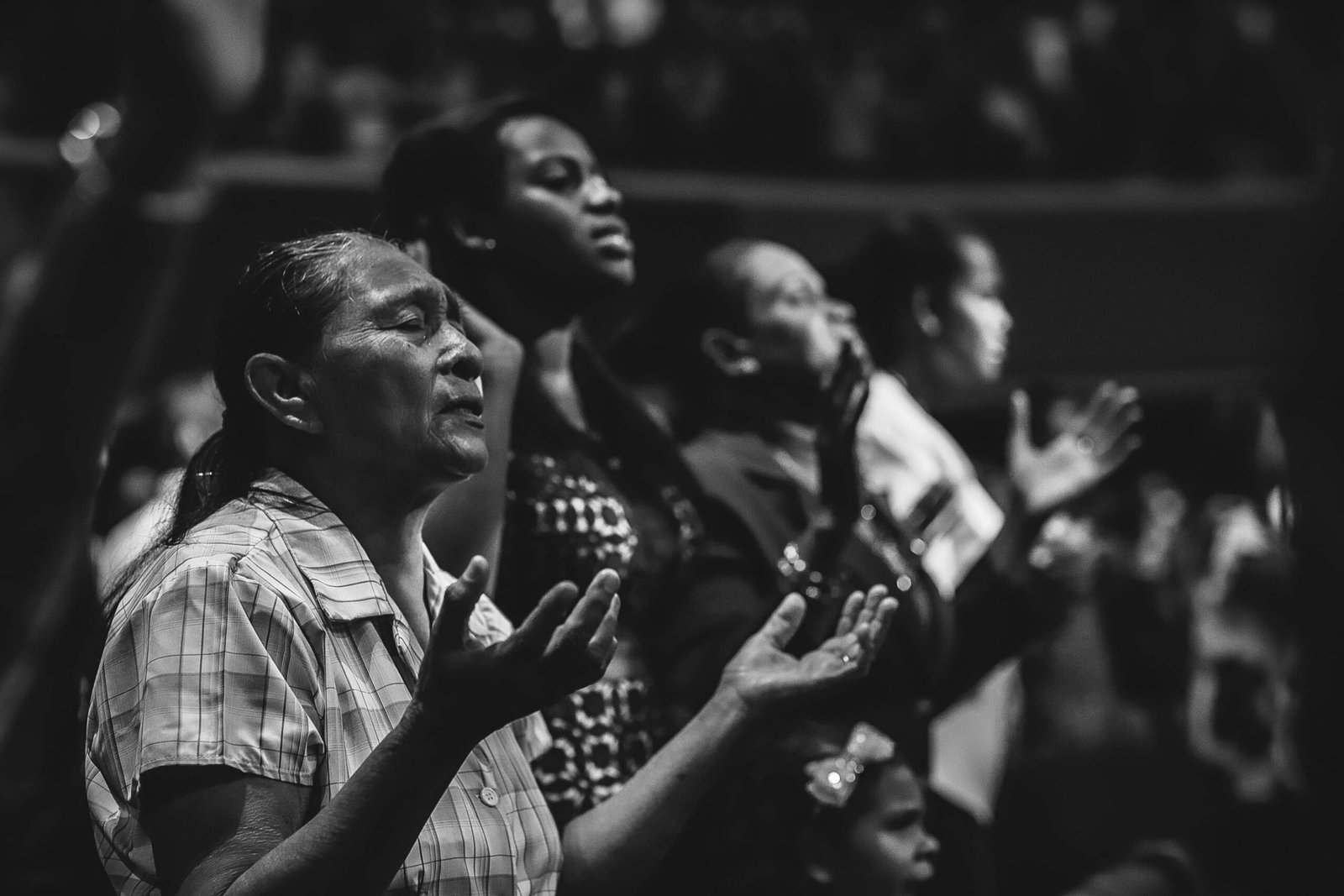
Communal prayer plays an equally essential role in uniting theology students and fostering a supportive environment. When students gather to pray, they create a space where mutual encouragement occurs, enhancing their shared spiritual journey and amplifying their voices in prayer. This unity nurtures a supportive community that aligns individual intentions with collective goals, making it easier for students to navigate their academic and spiritual challenges. Furthermore, the regular practice of communal prayer helps shape future ministerial practices by reinforcing the importance of community in spiritual life, enabling students to carry these principles into their future ministries.
In conclusion, the integration of prayer into the lives of theology students significantly impacts their theological reflection and community engagement. By fostering interpersonal connections and encouraging active participation, prayer becomes a cornerstone for both personal growth and collective unity within the theological community.
Discover more from BISHOP HAN THEOLOGICAL SEMINARY
Subscribe to get the latest posts sent to your email.
No responses yet