
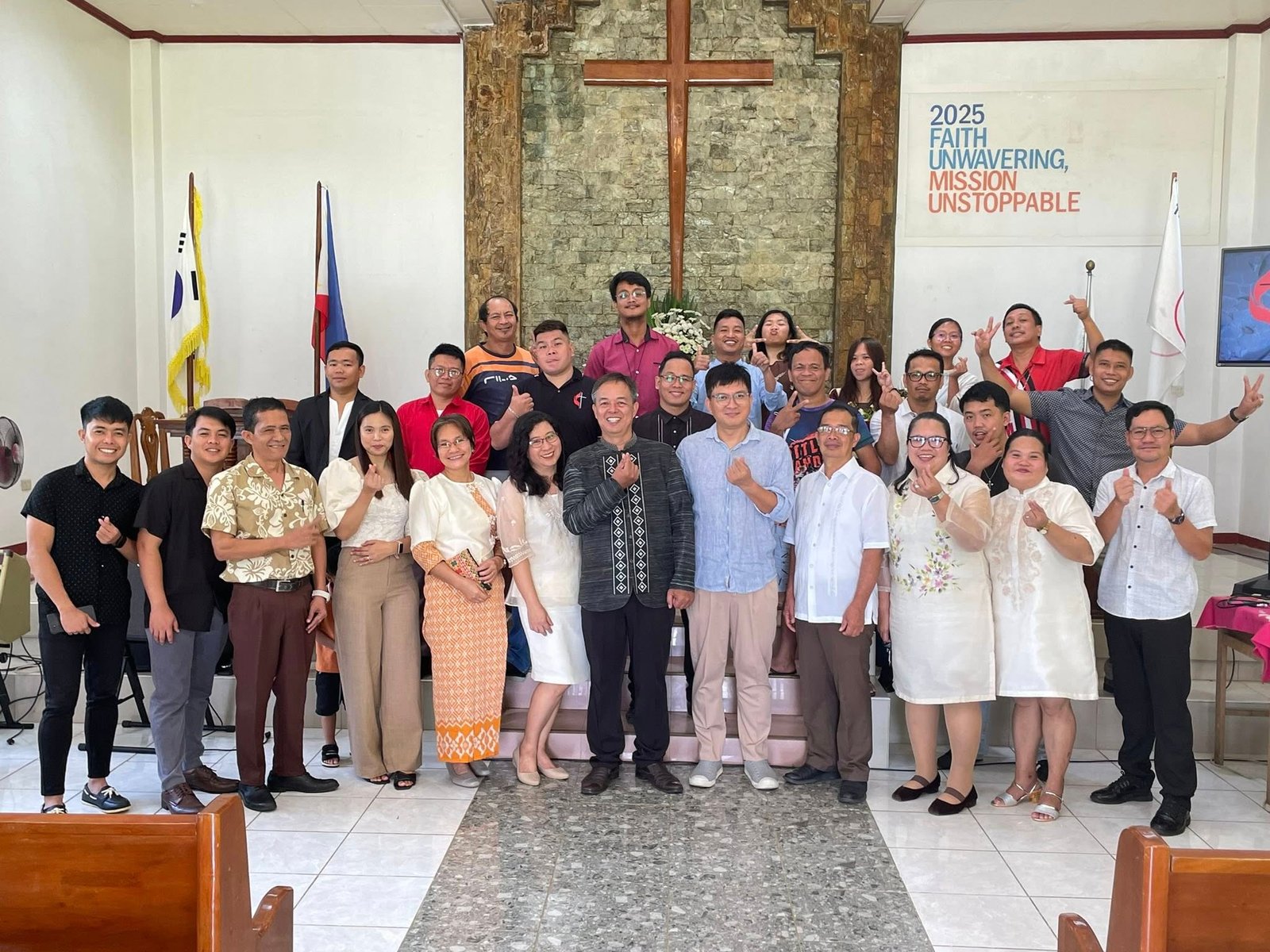
Understanding the Ecumenical Missional Standpoint
The ecumenical missional standpoint represents a vital approach within Christian theology that emphasizes the call for unity among diverse Christian denominations. Rooted in the belief that all followers of Christ are part of one body, this perspective seeks to transcend doctrinal differences while focusing on the shared mission of spreading the Gospel and addressing societal challenges. This theological framework emerges from the understanding that churches have a critical role to play in their communities, advocating for justice, mercy, and integrity in line with biblical teachings.
Historically, the ecumenical movement has aimed to foster collaboration among various Christian groups, making a profound impact not only within church communities but also in broader societal contexts. The notion of a collective mission aids in bridging gaps created by cultural and theological differences, allowing churches to present a united front when confronting pressing social issues such as poverty, discrimination, and environmental concerns. By engaging together in mission, different denominations can amplify their voices and share resources, thereby enhancing their effectiveness in addressing these challenges.
This standpoint necessitates an active involvement of churches in societal affairs, moving beyond the walls of their sanctuaries. It envisions congregations that are not only places of worship but also community hubs where discussions on ethics, social justice, and communal action can thrive. The ecumenical missional standpoint urges churches to embrace their responsibility as stewards of integrity, fostering environments that prioritize care for the marginalized and serve the common good.
In summary, the ecumenical missional standpoint calls for churches to unite in purpose and action, reflecting their commitment to the teachings of Jesus Christ. This approach recognizes the importance of being active participants in local contexts, prompting congregations to embody values that promote justice, mercy, and communal integrity.
The Intersection of Faith and Politics
The relationship between Christian faith and political action is both intricate and profound, shaping perspectives and actions within various societal structures. As church leaders and congregants engage with the complexities of governance, they often encounter significant challenges in applying faith-based principles amidst a highly politicized climate. The integration of faith into the political realm raises a multitude of moral dilemmas, particularly when believers confront issues such as corruption and ethical misconduct within government institutions.
Christian churches, at their core, are guided by teachings that promote integrity, compassion, and justice. However, navigating the political landscape often requires church leaders and their congregants to reconcile these values with the actions and decisions of government officials who may not always align with such ideals. The quest for maintaining faith in the face of political corruption can lead to a dissonance for many believers, as they seek to uphold their spiritual convictions while advocating for righteousness and transparency in governance.
As political integrity becomes increasingly elusive, maturing Christians face the daunting task of discerning how to act. This may involve engaging in civic responsibilities such as voting, peaceful protests, or community organizing—actions that reflect their beliefs in a government-driven world fraught with moral ambiguity. While participating in politics, it is imperative that church members remain steadfast in their values and choose to confront ethical discrepancies with love, grace, and truth, rather than succumbing to disillusionment.
The challenge intensifies when powerful individuals or groups leverage their positions to perpetuate unjust practices, often compelling believers to advocate for change while grappling with the potential fallout of opposing influential authorities. Thus, the crossroads of faith and politics stands as a testament to the necessity for Christians to embody integrity and wisdom, striving to illuminate the path of ethical governance through unwavering commitment to their faith ideals.
Case Studies: Ethical Leadership in the Face of Corruption
The role of Christian leaders and churches in combating corruption within governmental institutions has been significant across various contexts. One notable example is the initiative taken by the Archdiocese of Manila in the Philippines. In response to widespread corruption, the church launched the “Integrity for the Future” program, which aimed to promote transparency and accountability among local government officials. This initiative encouraged community members to actively participate in governance, thereby creating a culture of openness. The results were promising, as multiple officials began adopting ethical practices, significantly restoring public trust in governance.
Another compelling case is found in South Africa, where the South African Council of Churches (SACC) took a strong stance against governmental corruption. The SACC organized mass protests to campaign for ethical leadership, focusing on the necessity of integrity in governance. Their efforts led to increased media attention on corrupt practices, thus prompting public investigations. Through their advocacy, the church not only mobilized citizens but also engaged various international bodies to apply pressure for reform. This impactful activism demonstrated that moral leadership can influence policy-making and improve institutional accountability.
In Latin America, the church’s influence in ethical matters has also been profound. For example, in Brazil, local churches facilitated discussions on ethics in public service, emphasizing teachings from scripture that advocate for justice and integrity. As a direct consequence of this spiritual guidance, numerous community leaders began embracing ethical standards, resulting in a noticeable reduction in corruption cases within local municipalities.
These case studies exemplify the power of faith-based activism in addressing corruption within government institutions. By galvanizing collective faith and action, Christian churches can foster an environment of ethical leadership, shaping the societal context in which they operate. The resulting impact demonstrates that integrity is not just a personal virtue, but a collective societal goal that can be achieved through united efforts in the face of adversity.
A Vision for Future Collaboration between Churches and Government
The potential for collaboration between Christian churches and government entities is vast and presents an opportunity for fostering integrity within local and national governance. As the challenges facing societies grow more complex, it is essential that churches embrace their roles as advocates for moral leadership. One way forward is to establish ecumenical commissions that bring together leaders from various denominations and faith backgrounds. These commissions can serve as a platform for discussion, advocacy, and action on pressing social issues, promoting ethical standards that resonate with Christian teachings.
In addition to creating ecumenical commissions, churches can form partnerships with civic organizations that share similar values. Collaborations can amplify the impact of their advocacy efforts, addressing issues such as social justice, poverty alleviation, and community development. By working alongside civic entities, churches demonstrate a commitment to being a voice for integrity in governance. This synergy can also help bridge the gap between faith-based organizations and public institutions, leading to more comprehensive approaches to societal challenges.
Moreover, it is crucial for churches to encourage their members to engage actively in the political process. This engagement can take many forms, from participating in community forums to advocating for policies that align with their faith values. By embodying their beliefs through civic engagement, church members can contribute to a culture of accountability and transparency within government. Encouraging grassroots movements within churches allows the congregation to be a force for positive change, reinforcing the importance of integrity in leadership.
Ultimately, the collaboration between churches and government should aim to cultivate an environment rooted in ethical practices. By working together, both entities can contribute to a more just society, dedicated to upholding values of integrity and morality. This collaboration represents an opportunity to embody faith in action, addressing the needs of the community while fostering a spirit of partnership and respect between faith and governance.
Discover more from BISHOP HAN THEOLOGICAL SEMINARY
Subscribe to get the latest posts sent to your email.
No responses yet